Kedleston Hall in Derbyshire has over 1,000 objects from across the Asian continent. The collection was brought together by George Nathanial Curzon, who inherited the Hall in 1916. Curzon travelled extensively across Asia and in 1899 became the Viceroy of India, making him the highest British representative in colonial India. The team at Kedleston wanted to understand more about of the objects in the collection – their original use, how they might have come to be in the collection and their significance to the diaspora communities that live in the UK. For this project they worked with the members of the local Tibetan community to look at items from Tibet. The resulting display, How did we get here?, explores three items chosen by them alongside a new film by British-Tibetan artist, Nyima Murry, which brings to life the artefacts and shares histories that are both personal and global.
We used our experience of working with community groups to understand what the community members wanted from the project – it’s look, feel and content. We wanted the display to stand alone to highlight the three objects and their significance to the Tibetan community, whilst keeping a connection to the rest of the collection.
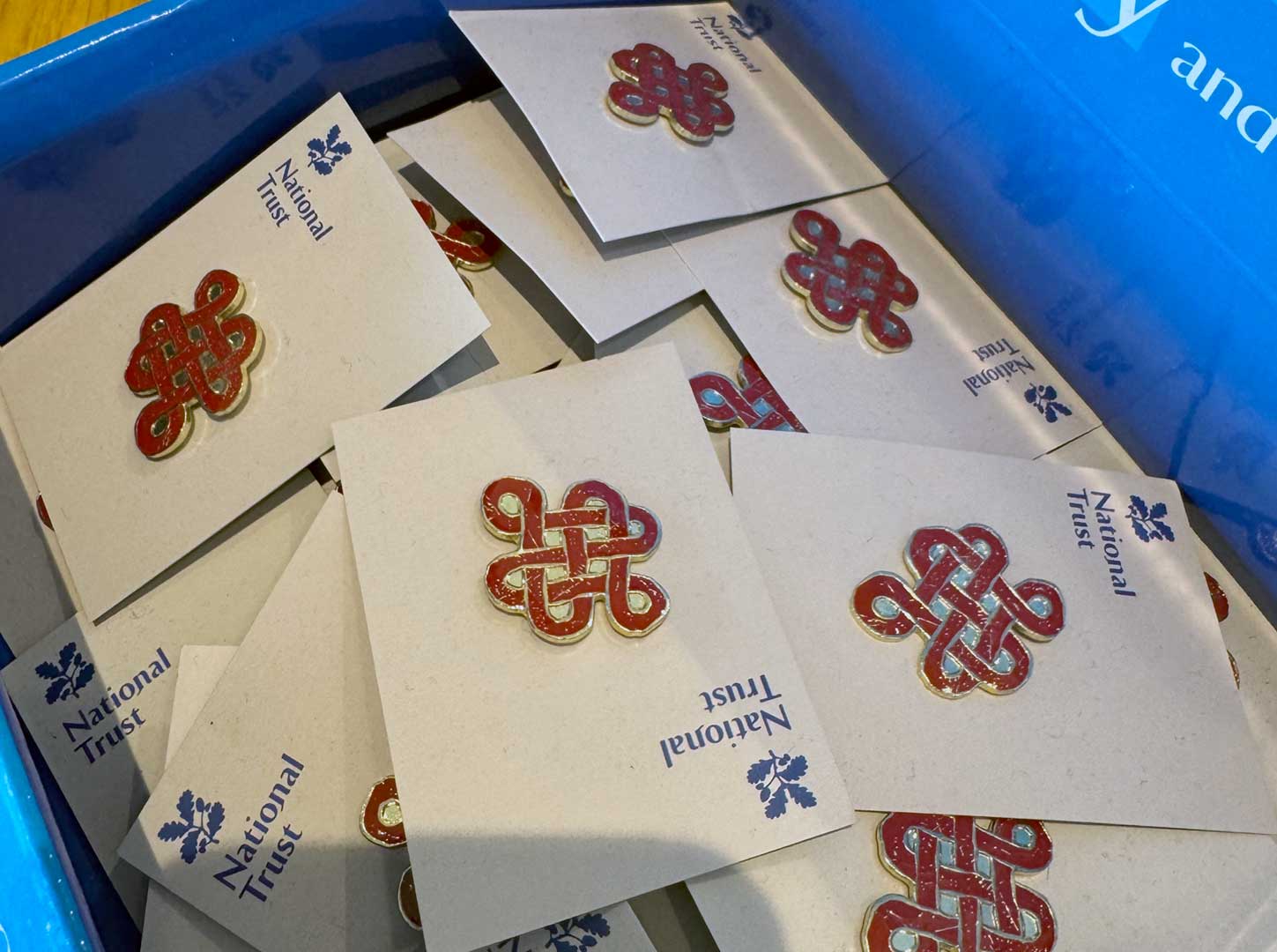
The visitor experience was to take in large parts of the site and to connect all these areas, we used a strong colour palette with highlights of gold and created a knot motif to use an icon throughout all the interpretation. The three objects had all been used by Tibetan people before becoming part of the collection and all showed signs of use. We reflected that in our design with scratched backgrounds and the knot motif being hand drawn (by Karen) to give a carved and irregular feel to the lines.
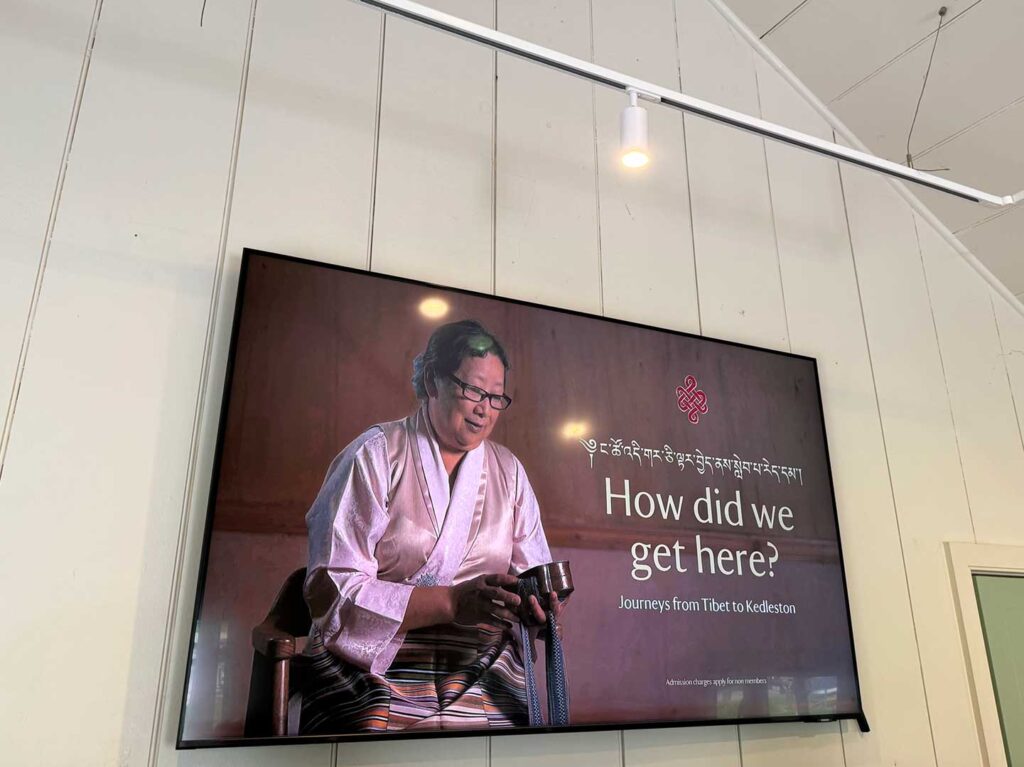
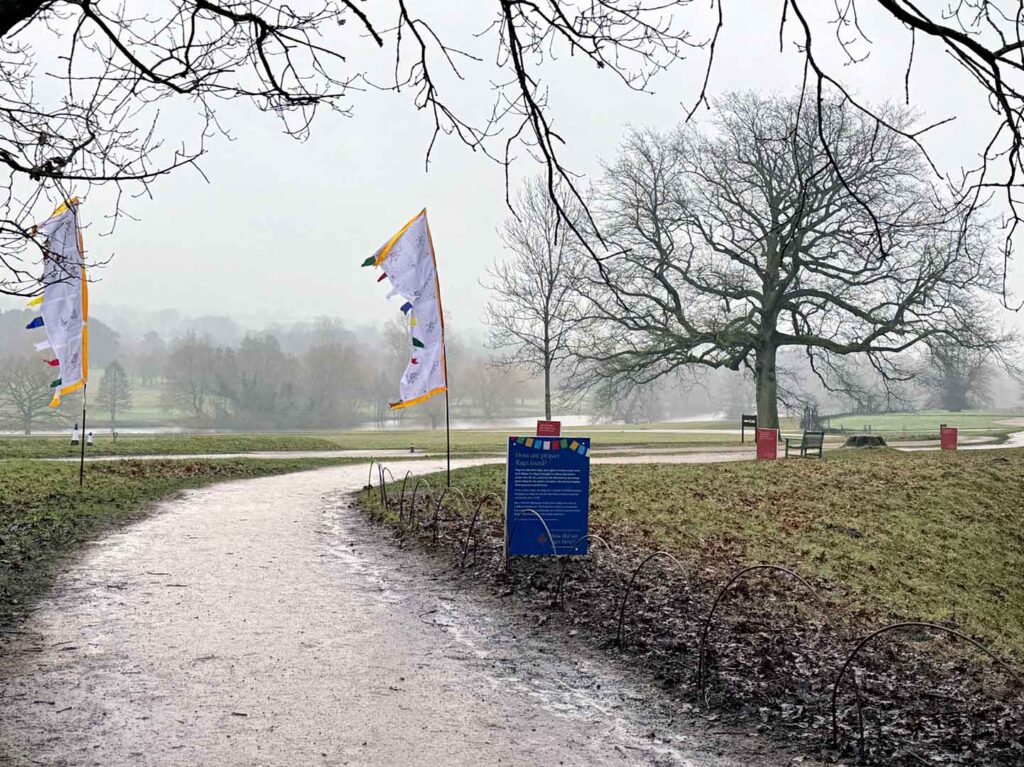
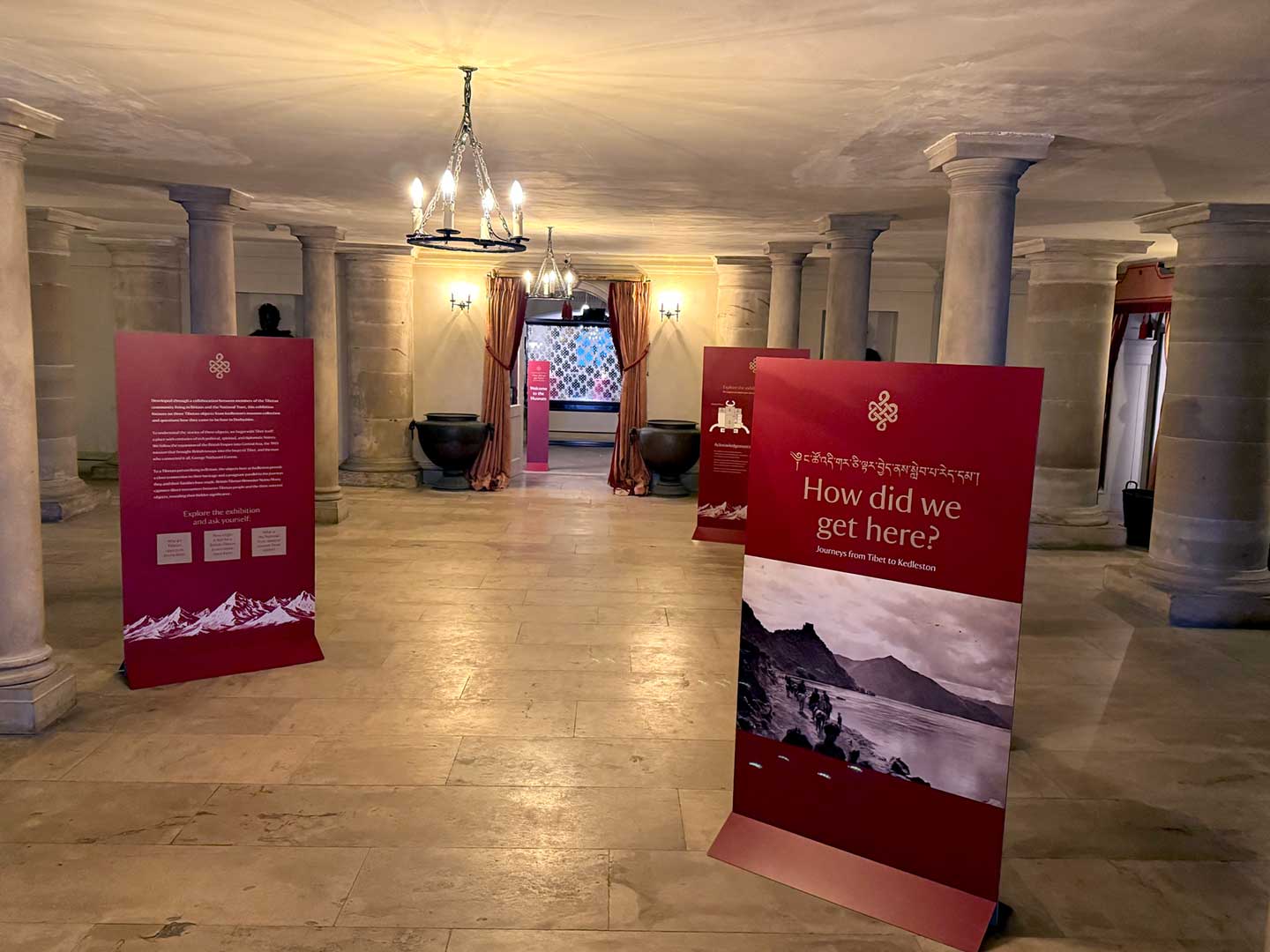
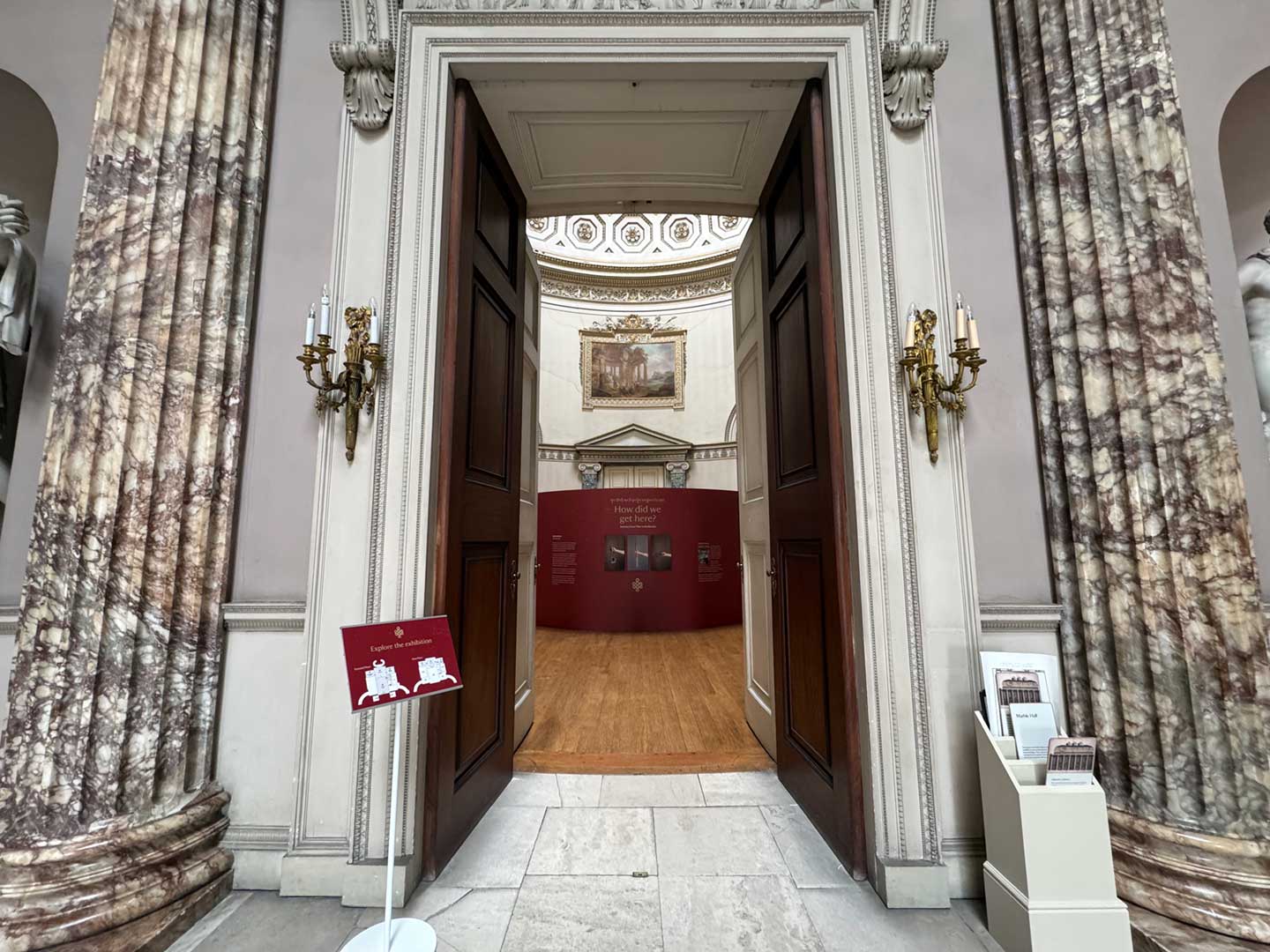
Slides for the Visitor Reception Screens used stills. Prompt boards down the footpath started the visitor journey (it was a bit of a wet day!). Large freestanding panels in Caesars Hall introduced the display. Here we used a photograph from the exploration of Tibet conducted during the time that Curzon was Viceroy of India and a motif of the Himalaya’s that are dominate feature in the Tibetan landscape.
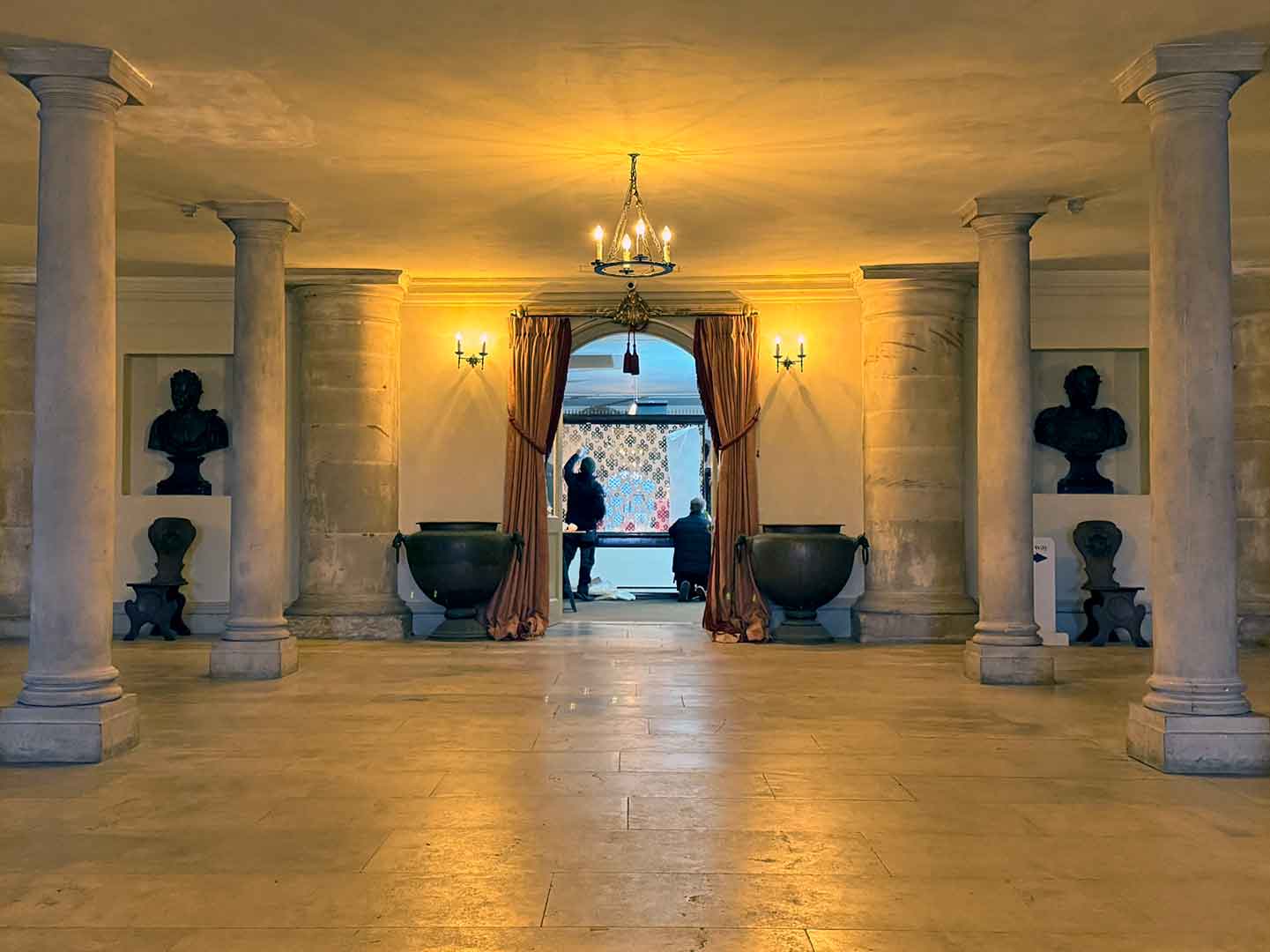
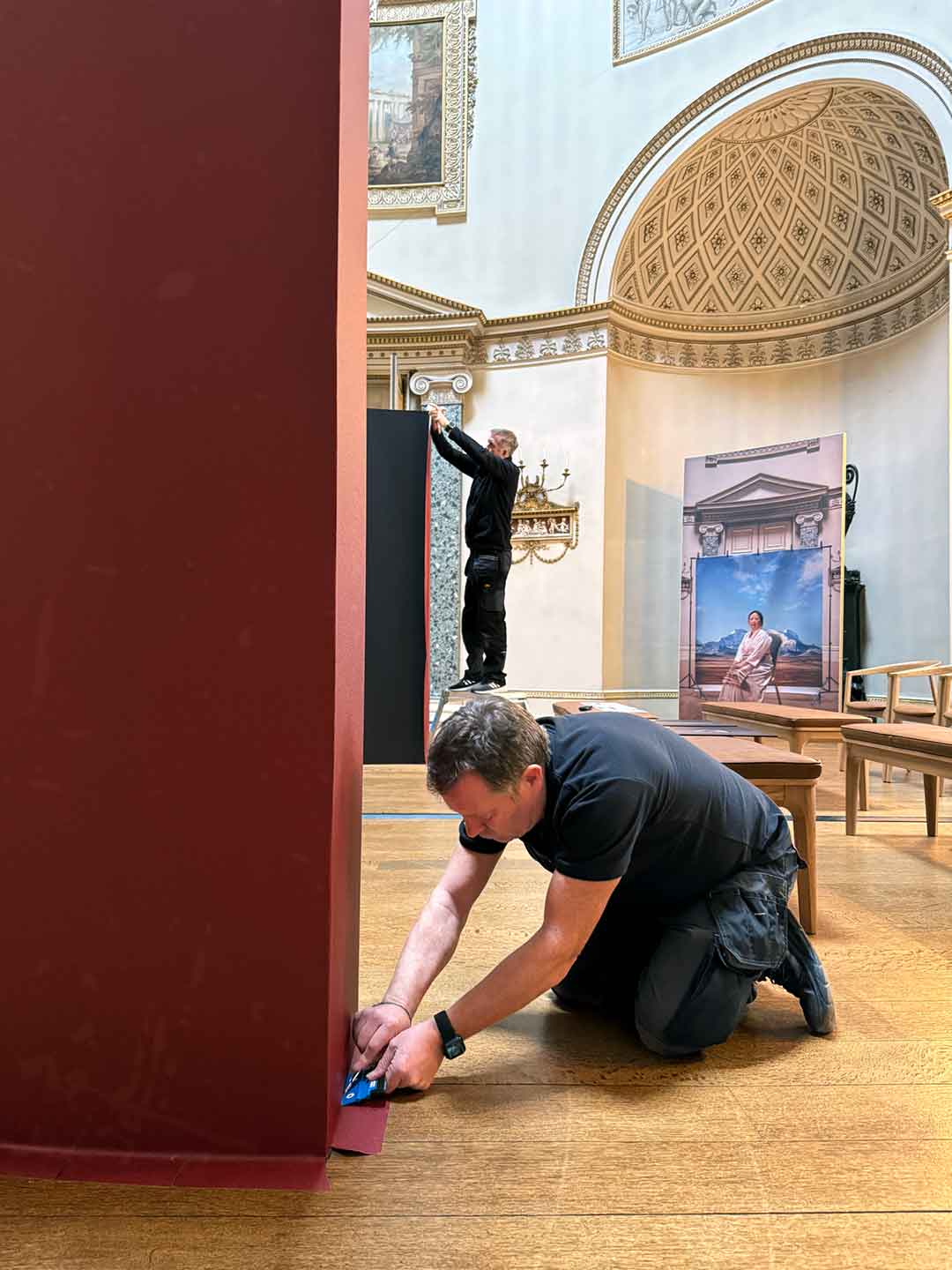
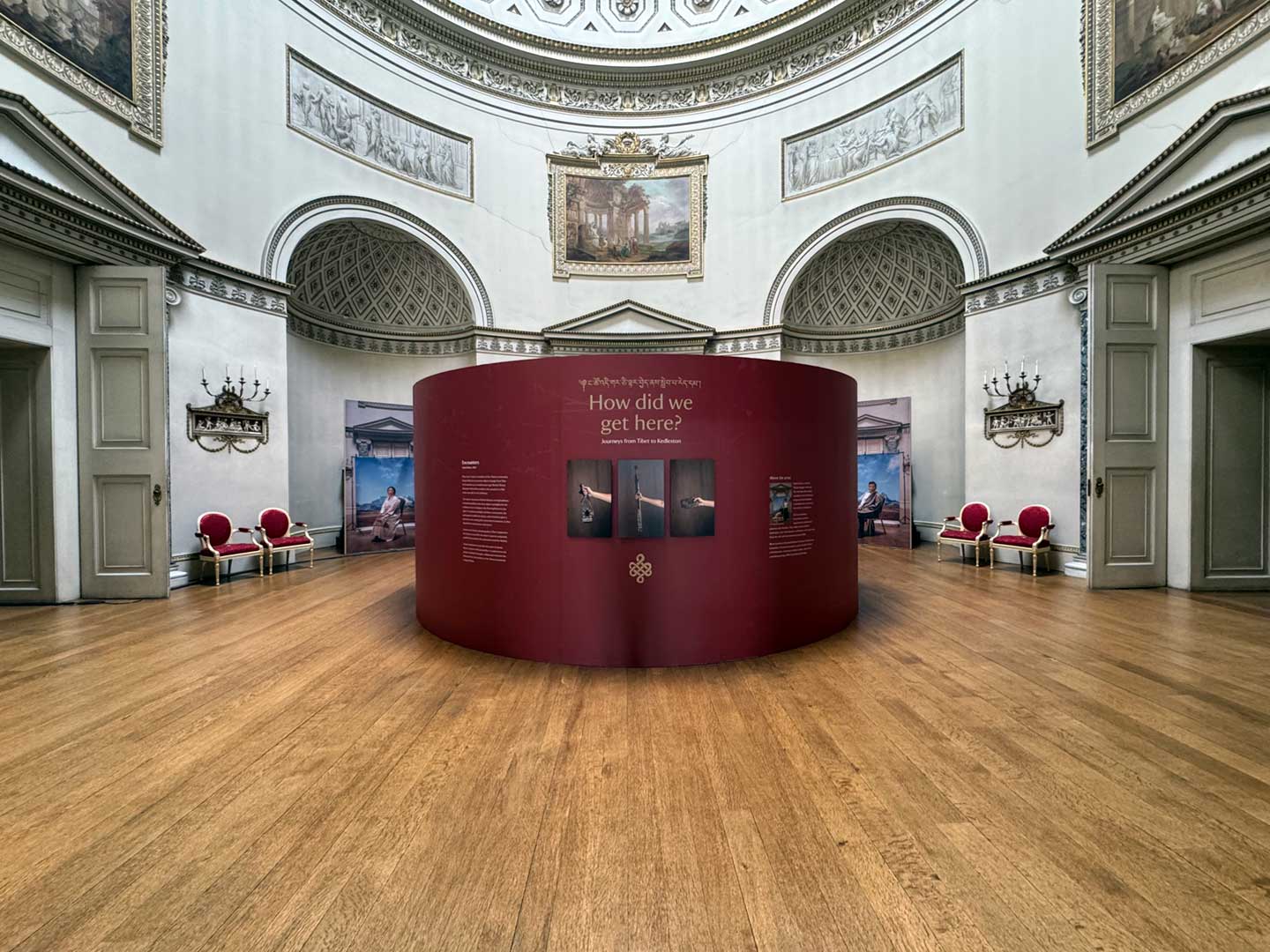
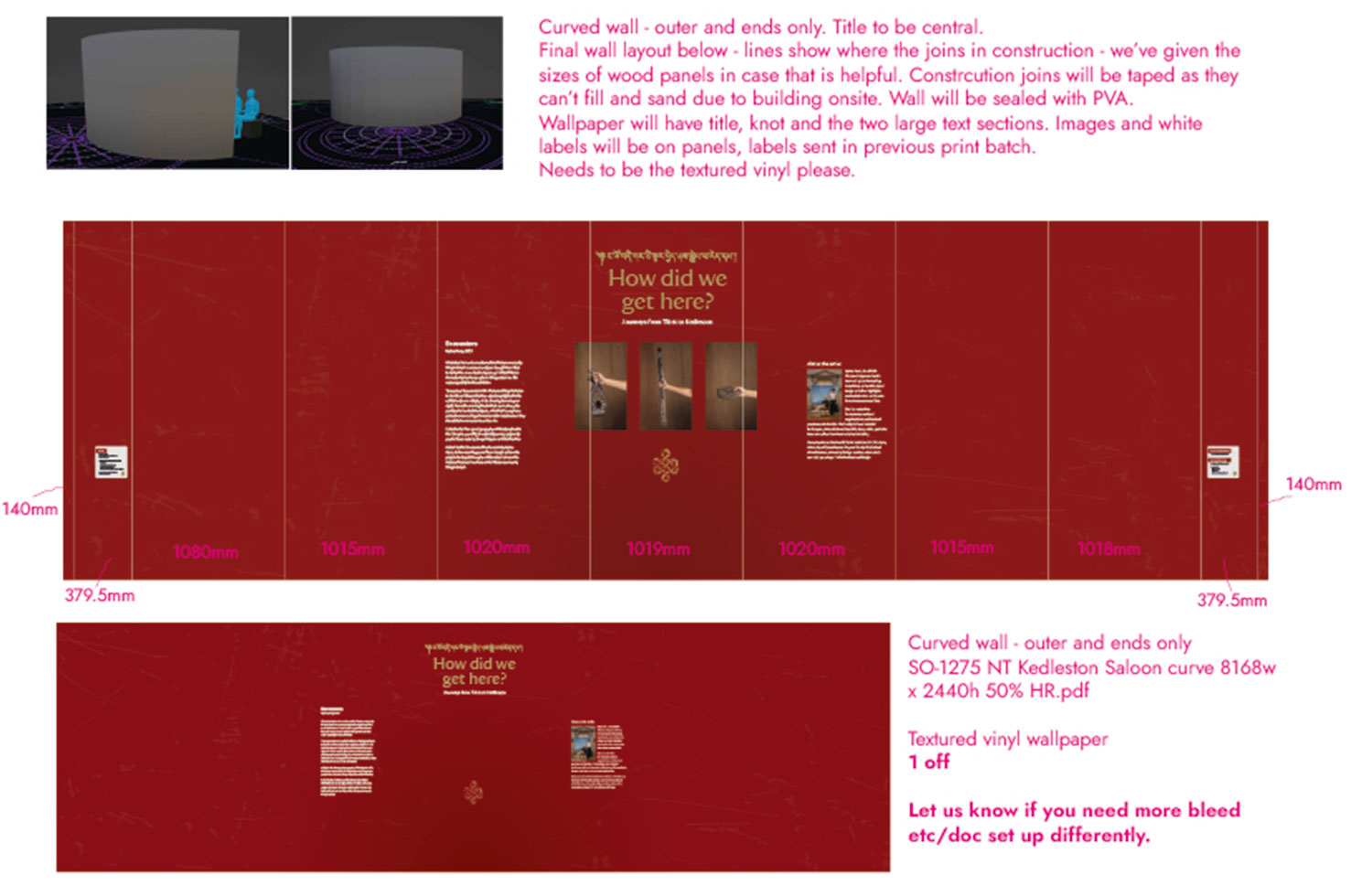
A semi-circluar booth was constructed onsite to show the film ‘Encounters’. The impressive shape matched the curve of the room perfectly and mapping out the graphics meant working with the build company to identify where structural joins were so that these didn’t cross over with those in the vinyl wallpaper. This was to reduce any visible raised lines creating a surface was a smooth as possible. Two text panels were printed direct to the wallpaper and these also had to have to avoid both sets of joins to maintain accessibility. To finish, three film stills were printed onto 3mm foamex and attached to the wall with stand-off studs that could flex with the curved wall.
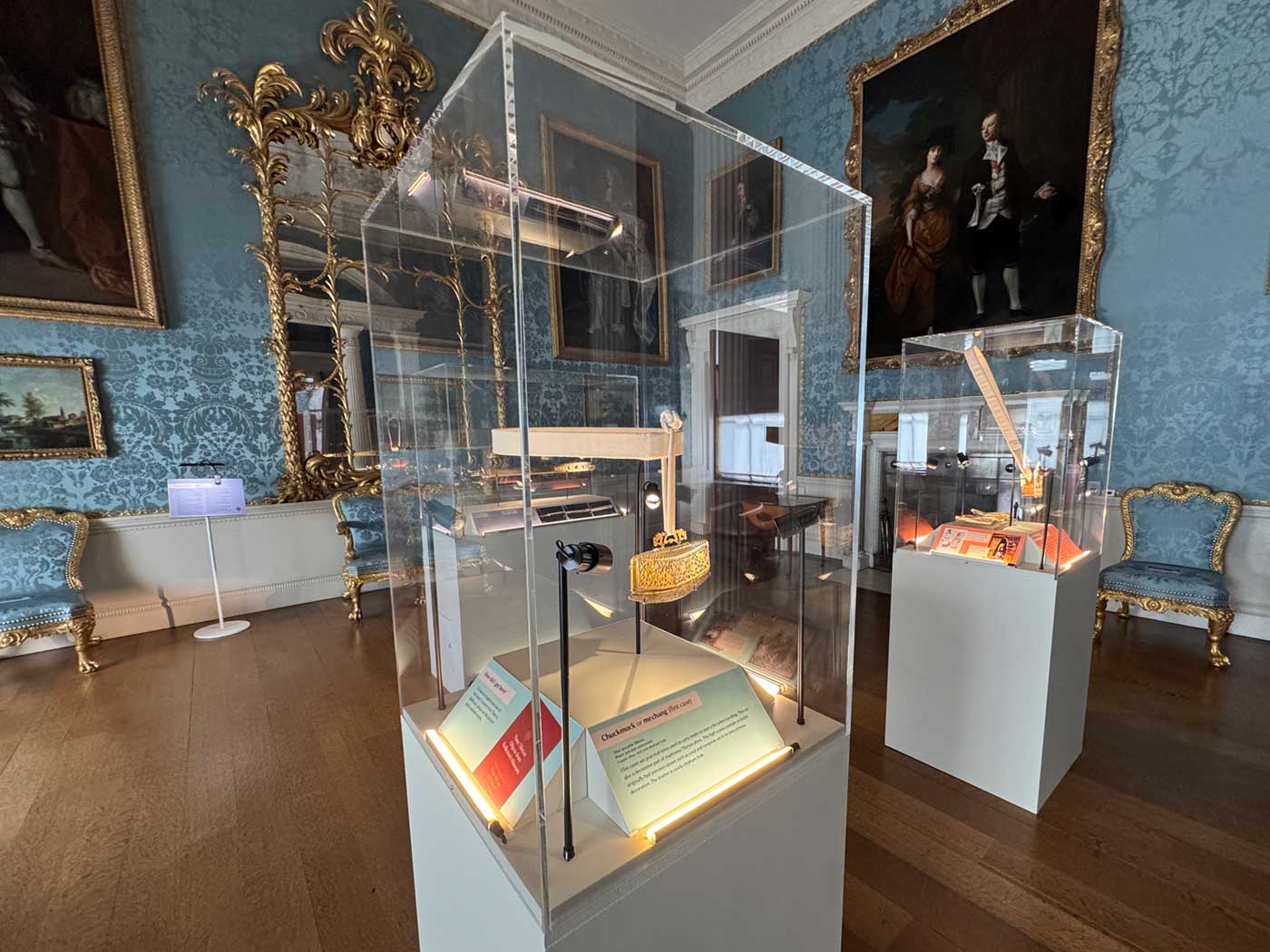
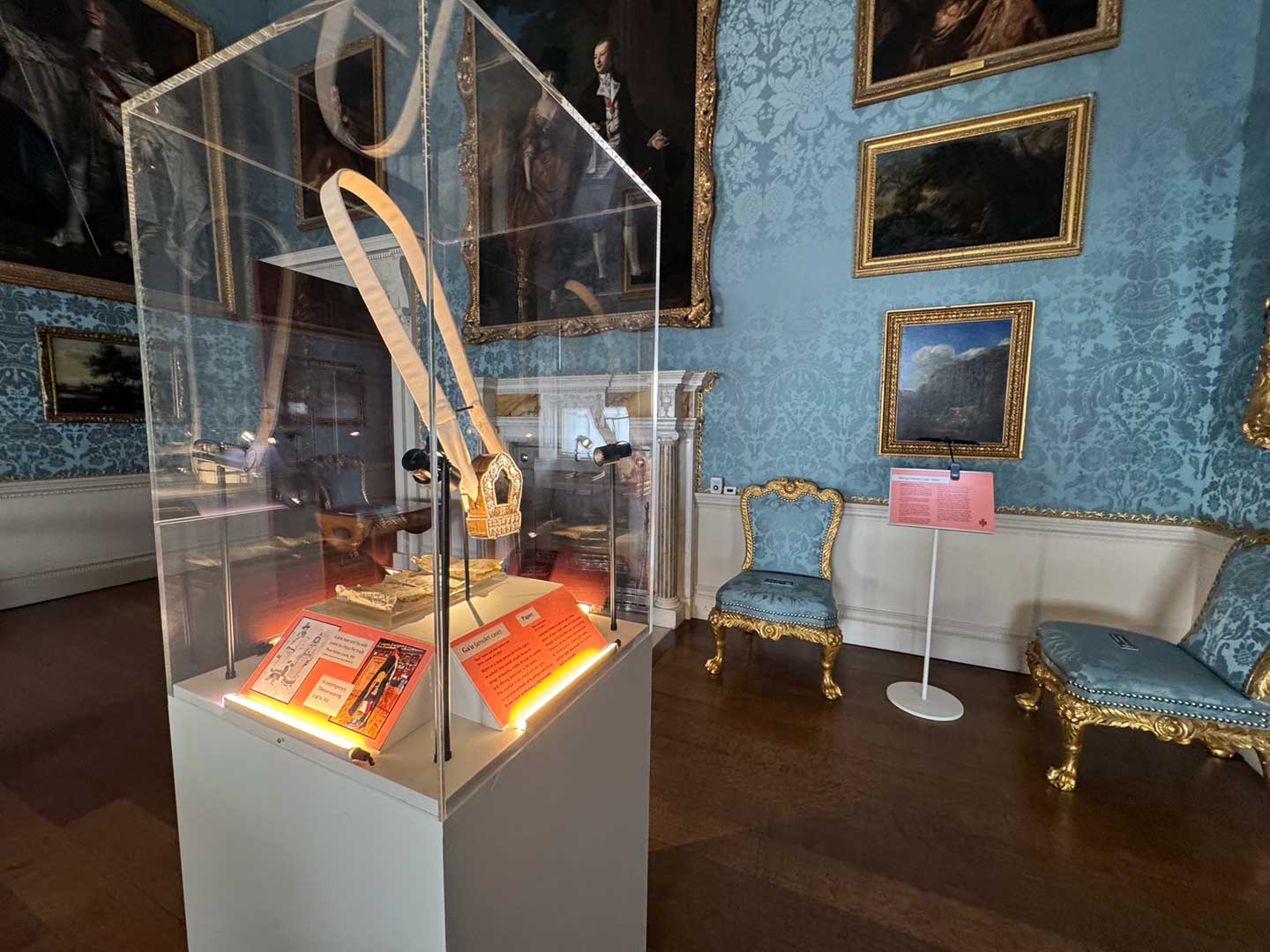
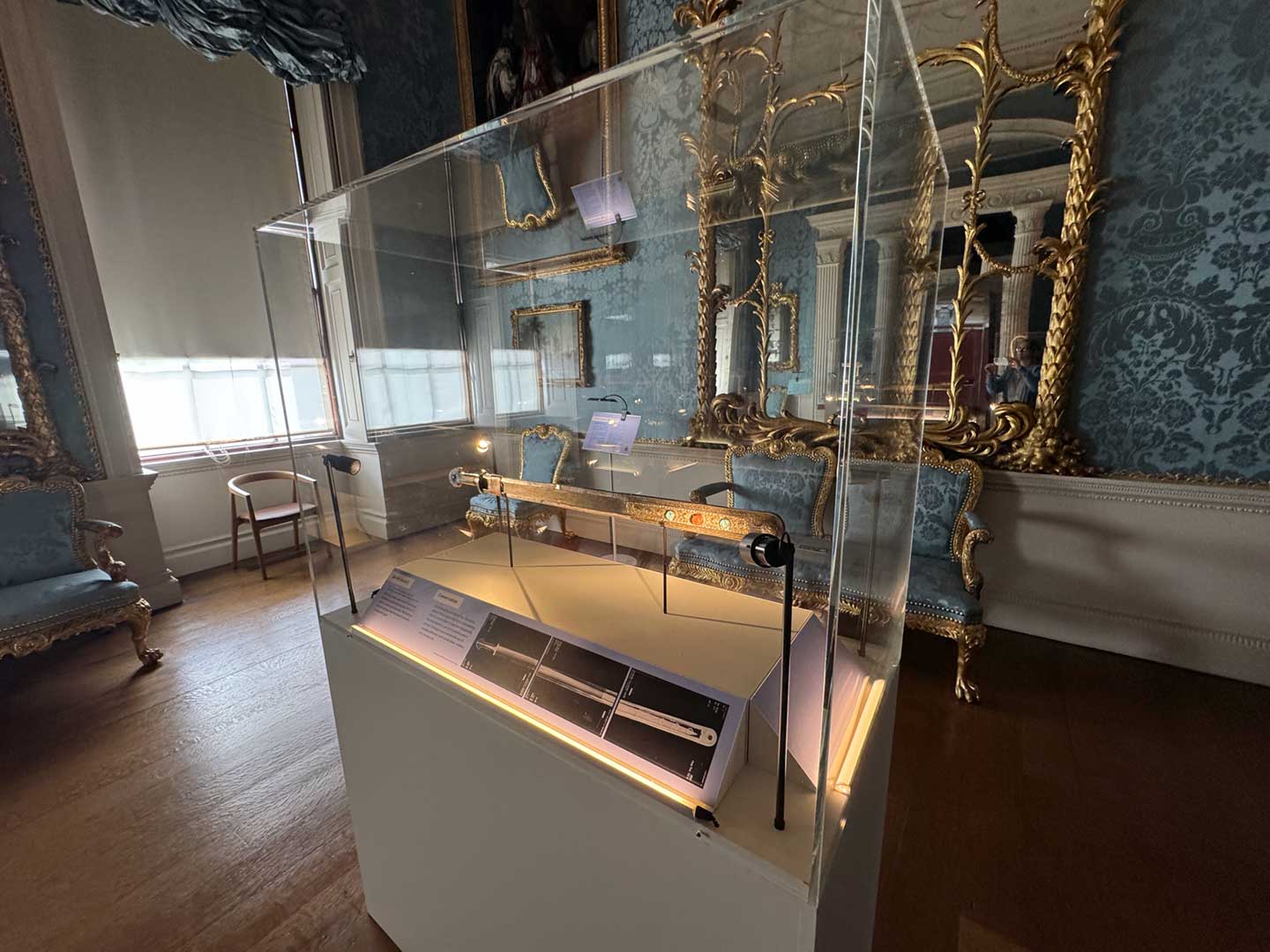
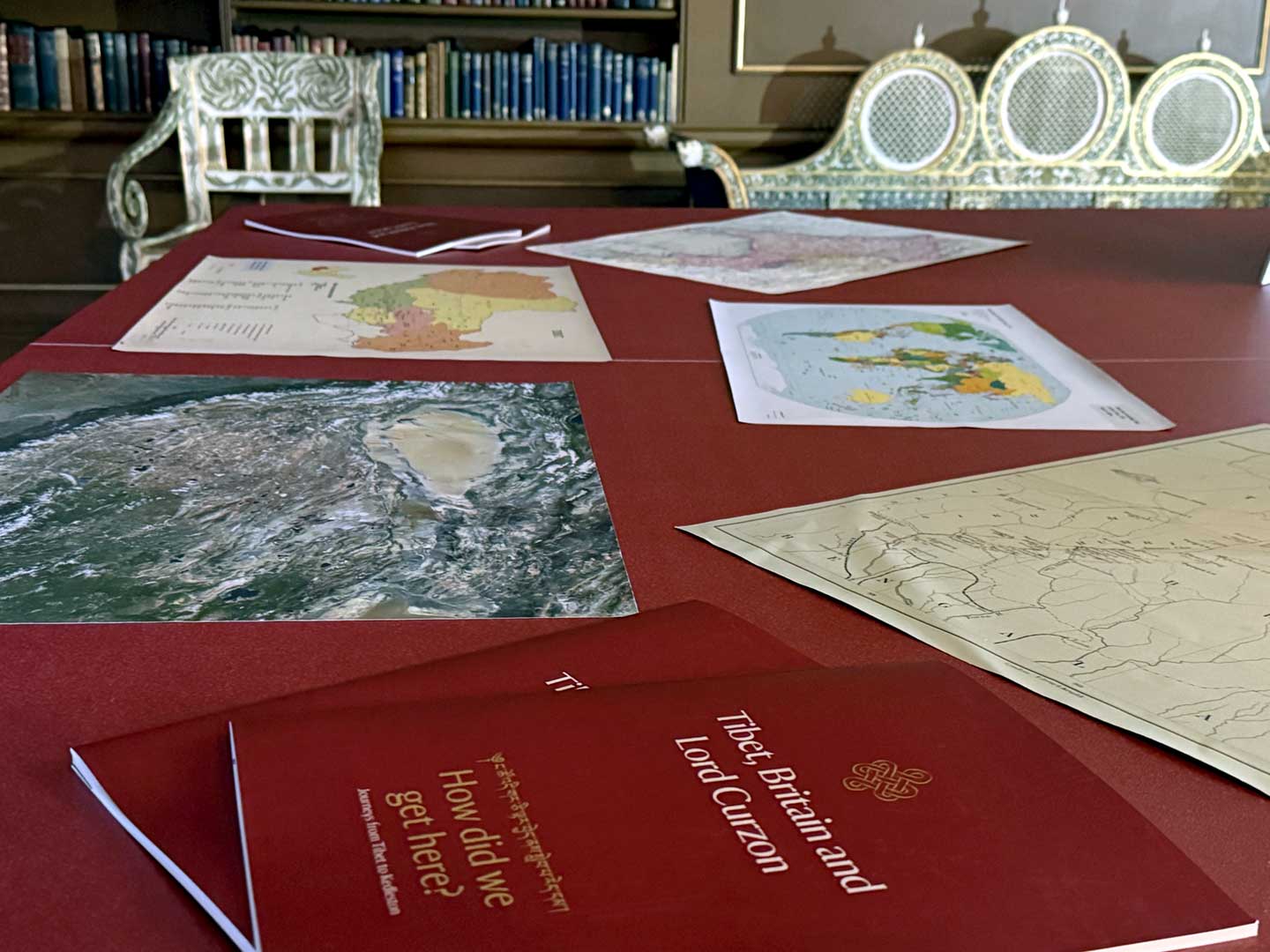
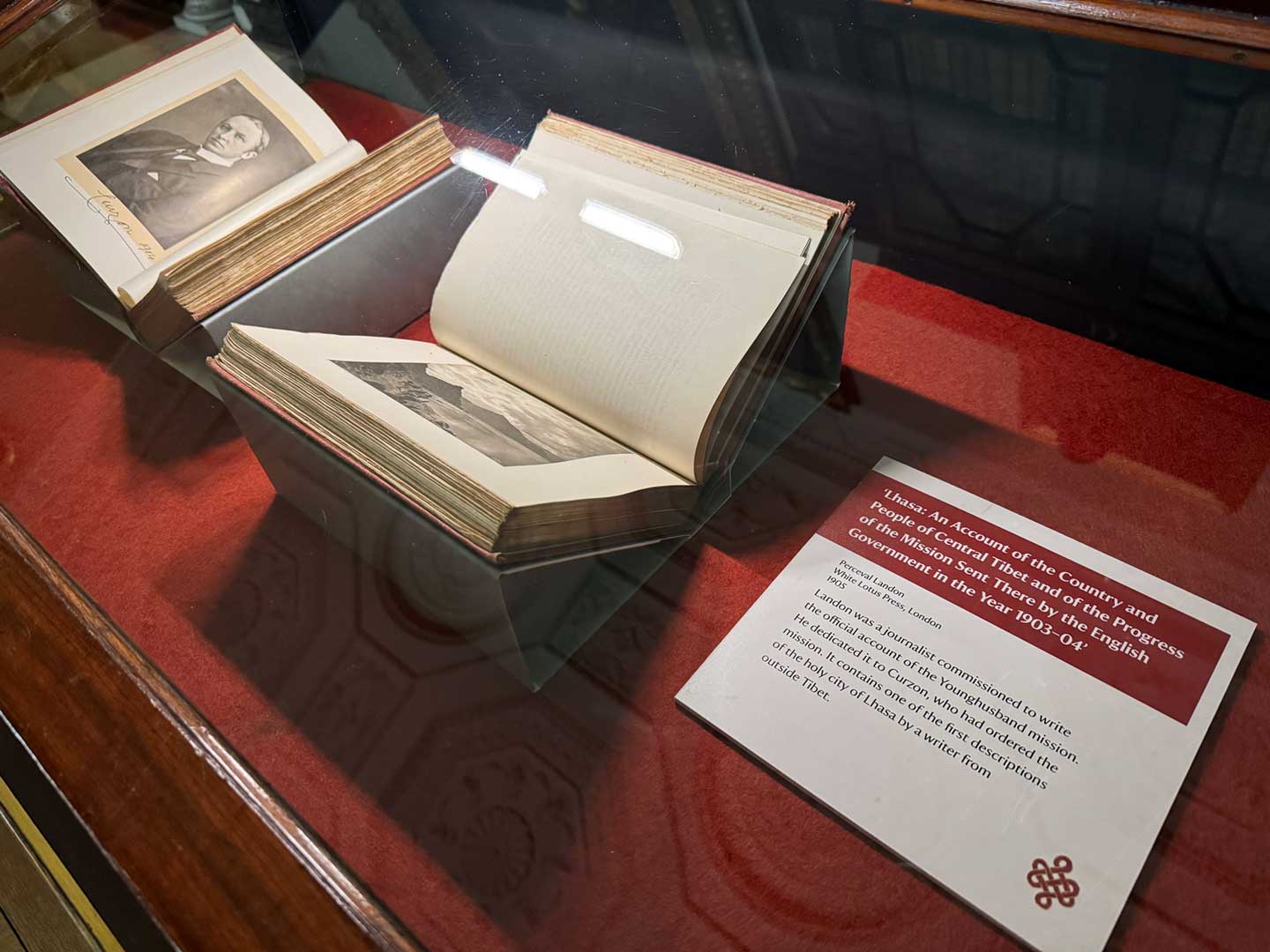
We sourced historic maps of Tibet that showed the landscape and changing political status of the country over time. These were printed onto canvas. Booklets were made with bolted fixings so that any new research that came to light during the display could be added.
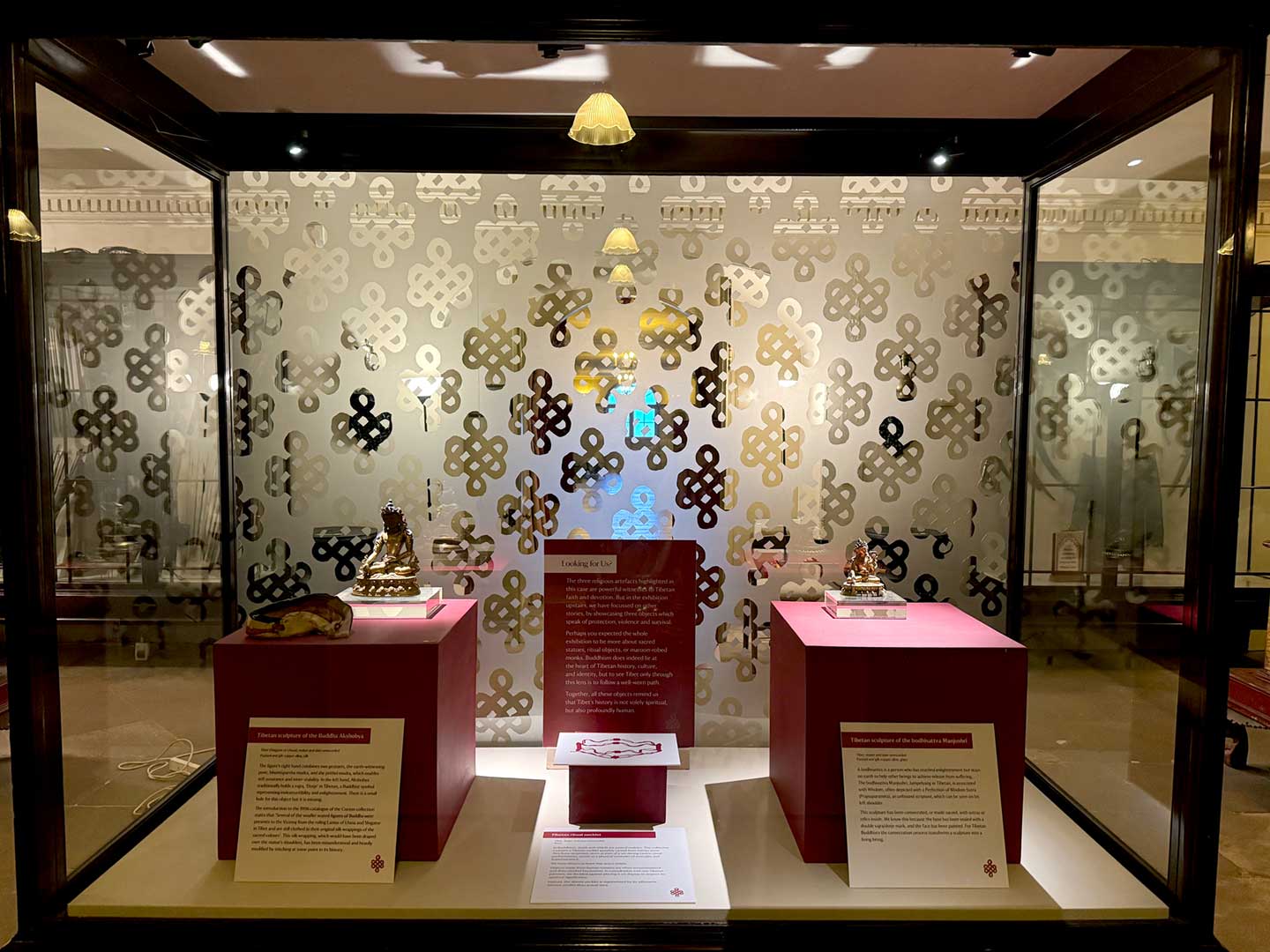
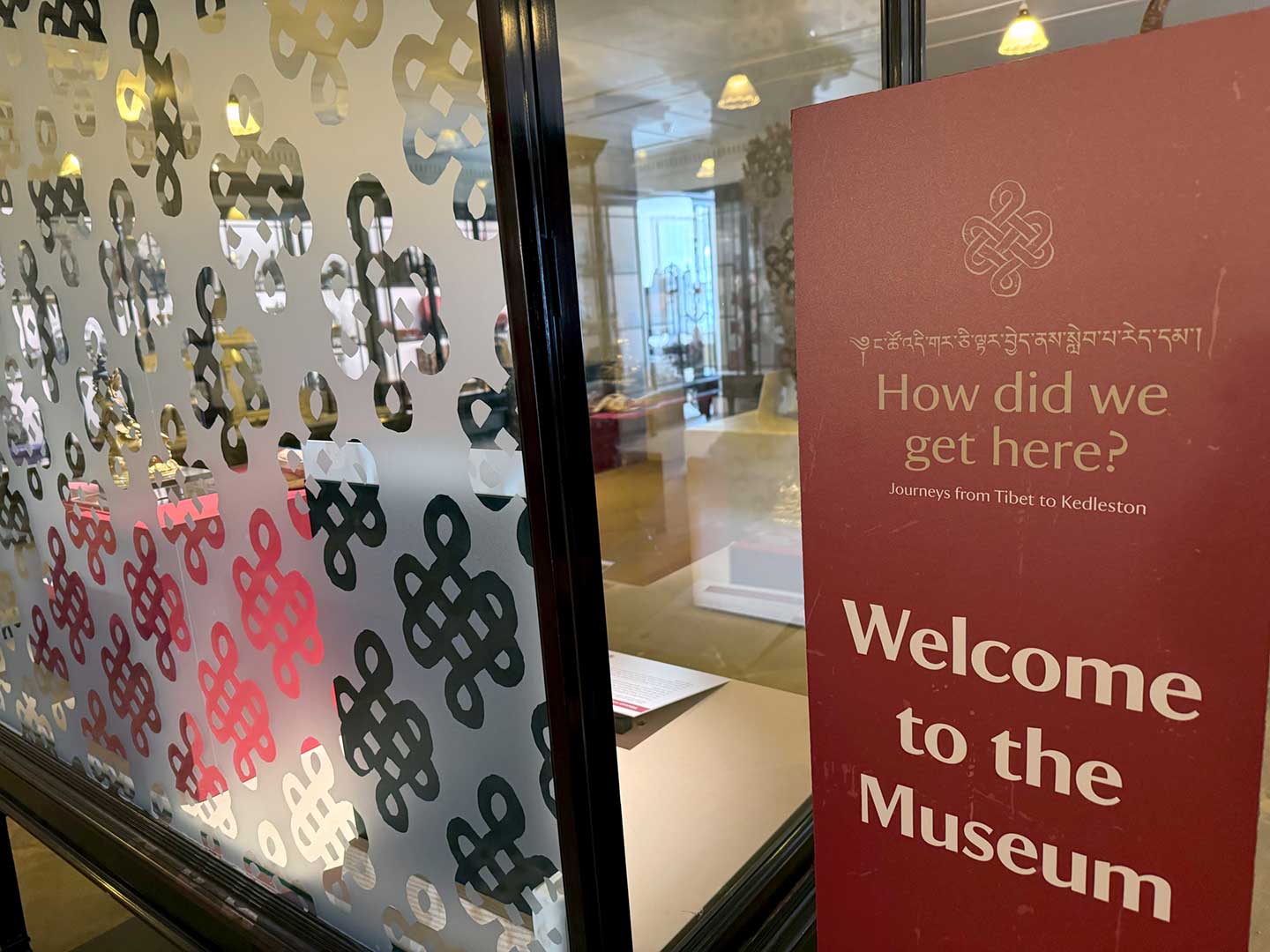
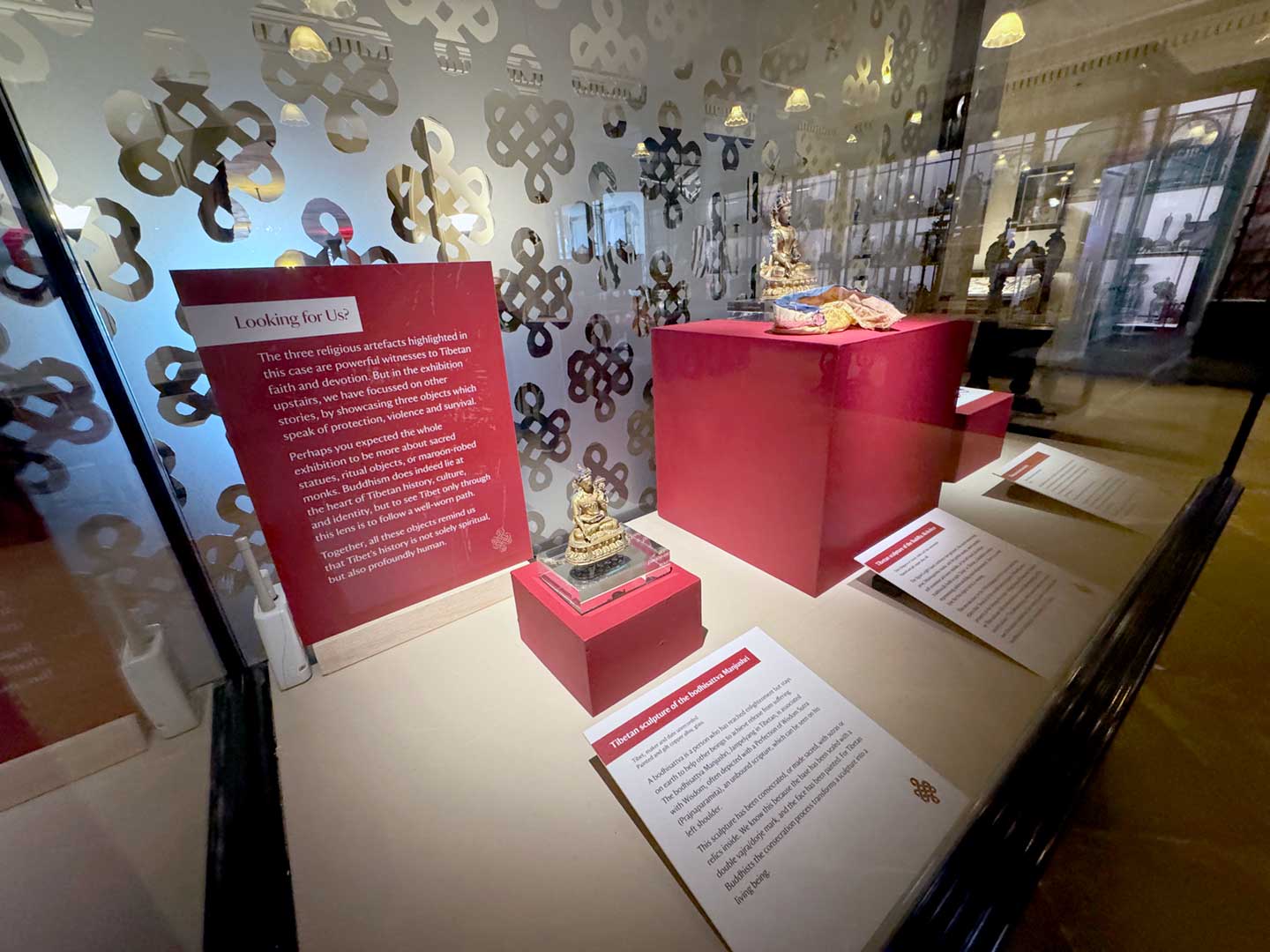
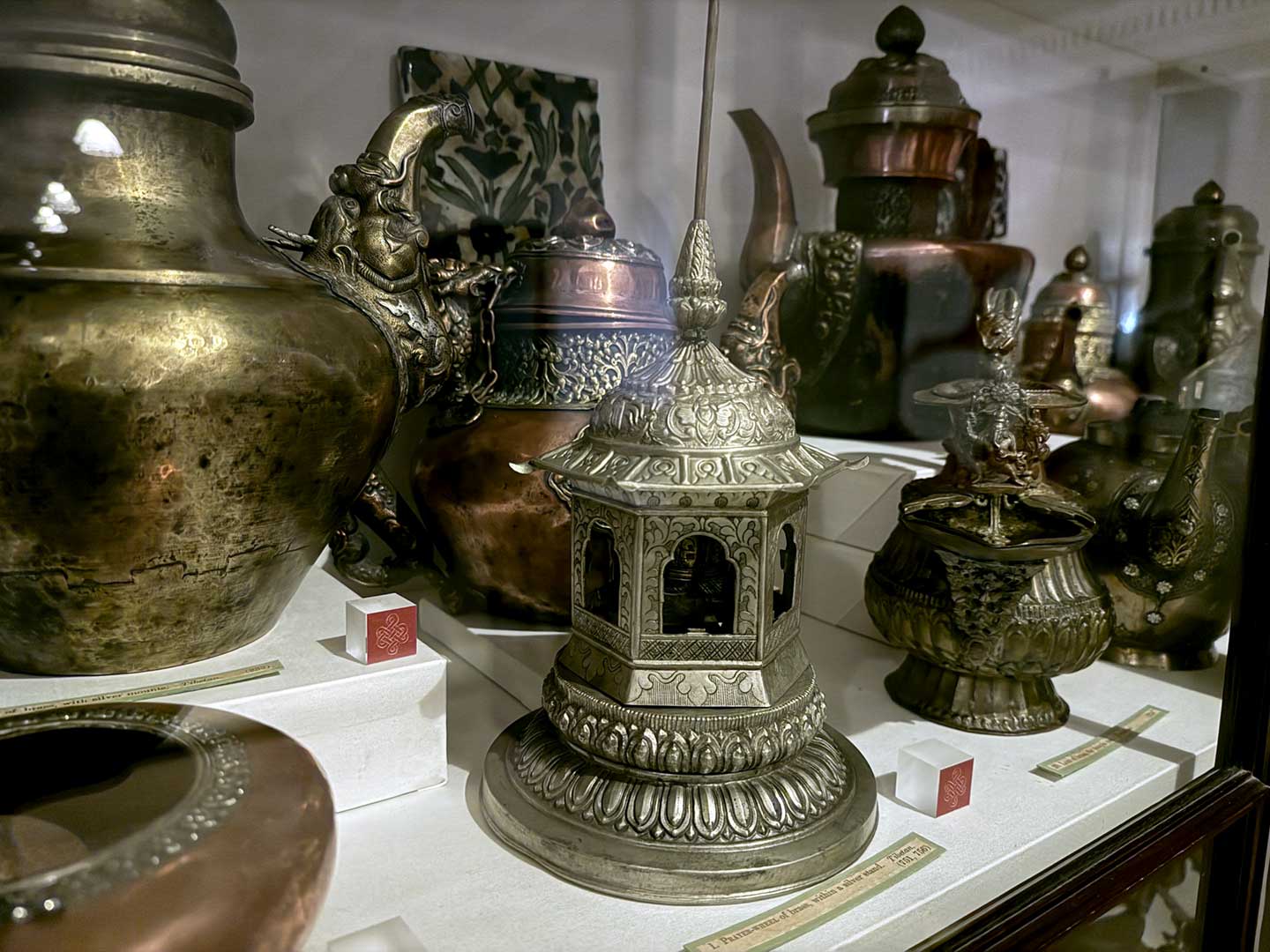
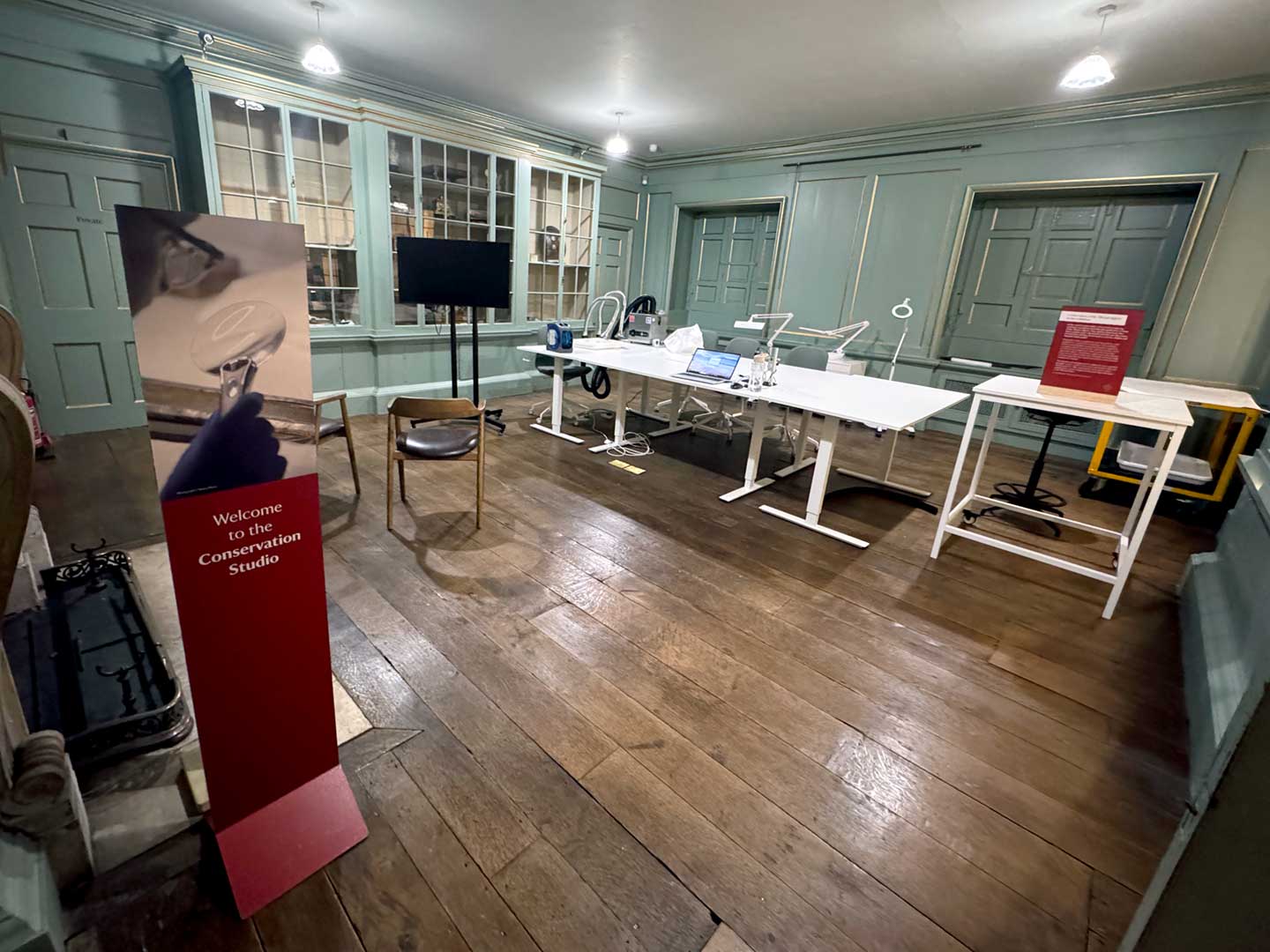
The collection contains over 40 items from Tibet and we made signifiers with the knot motif to identify these amongst the varied museum displays.
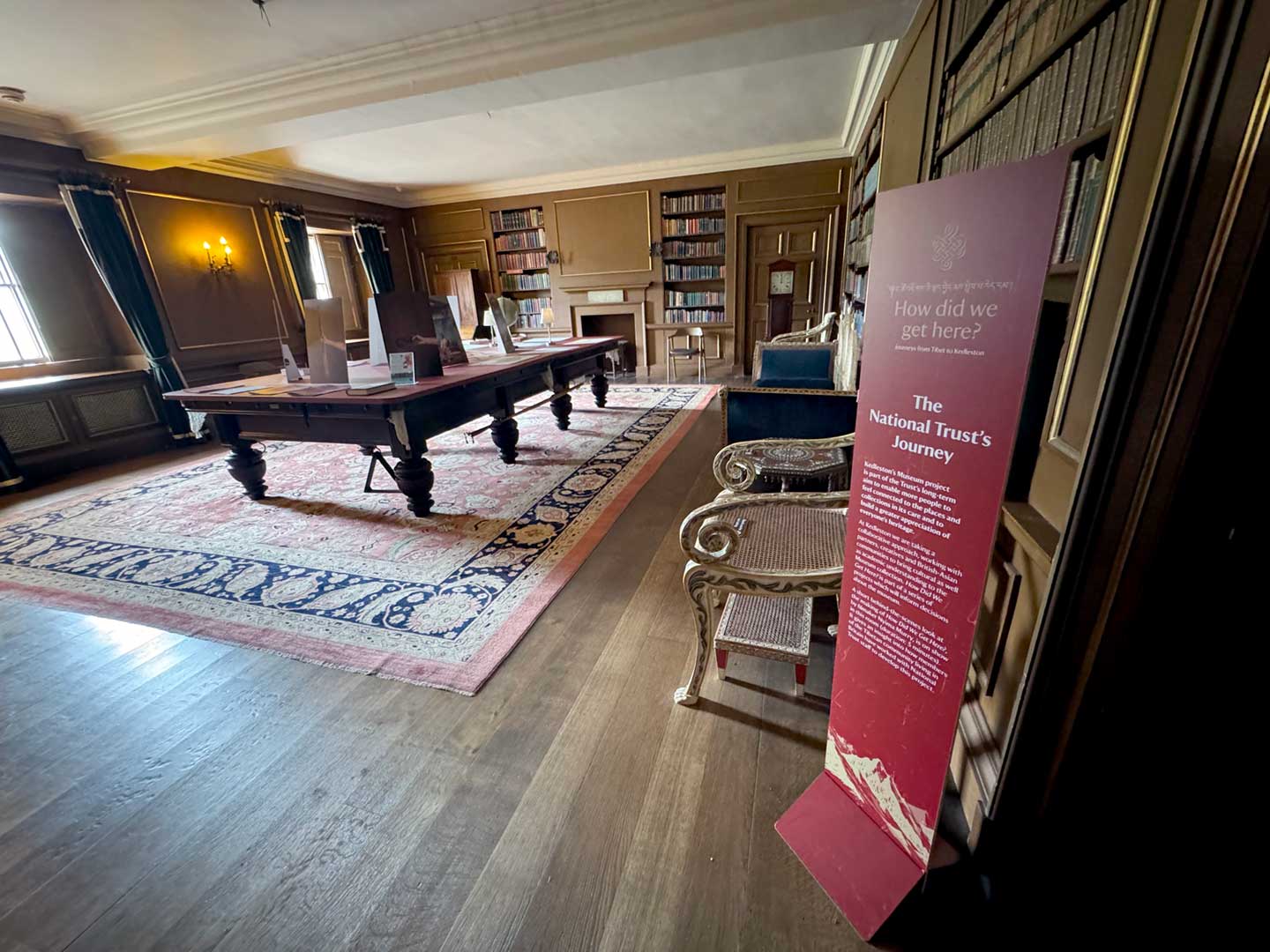
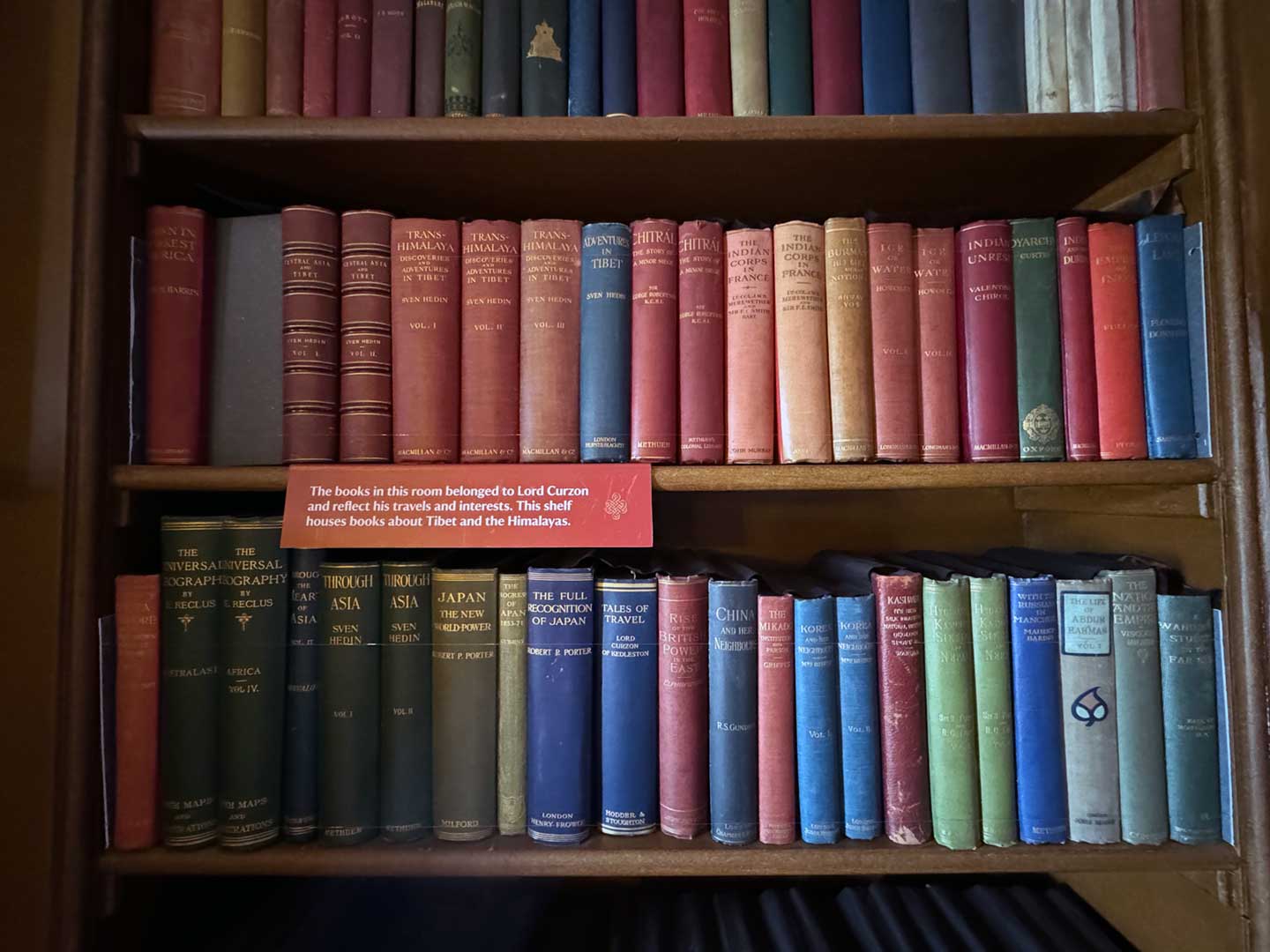
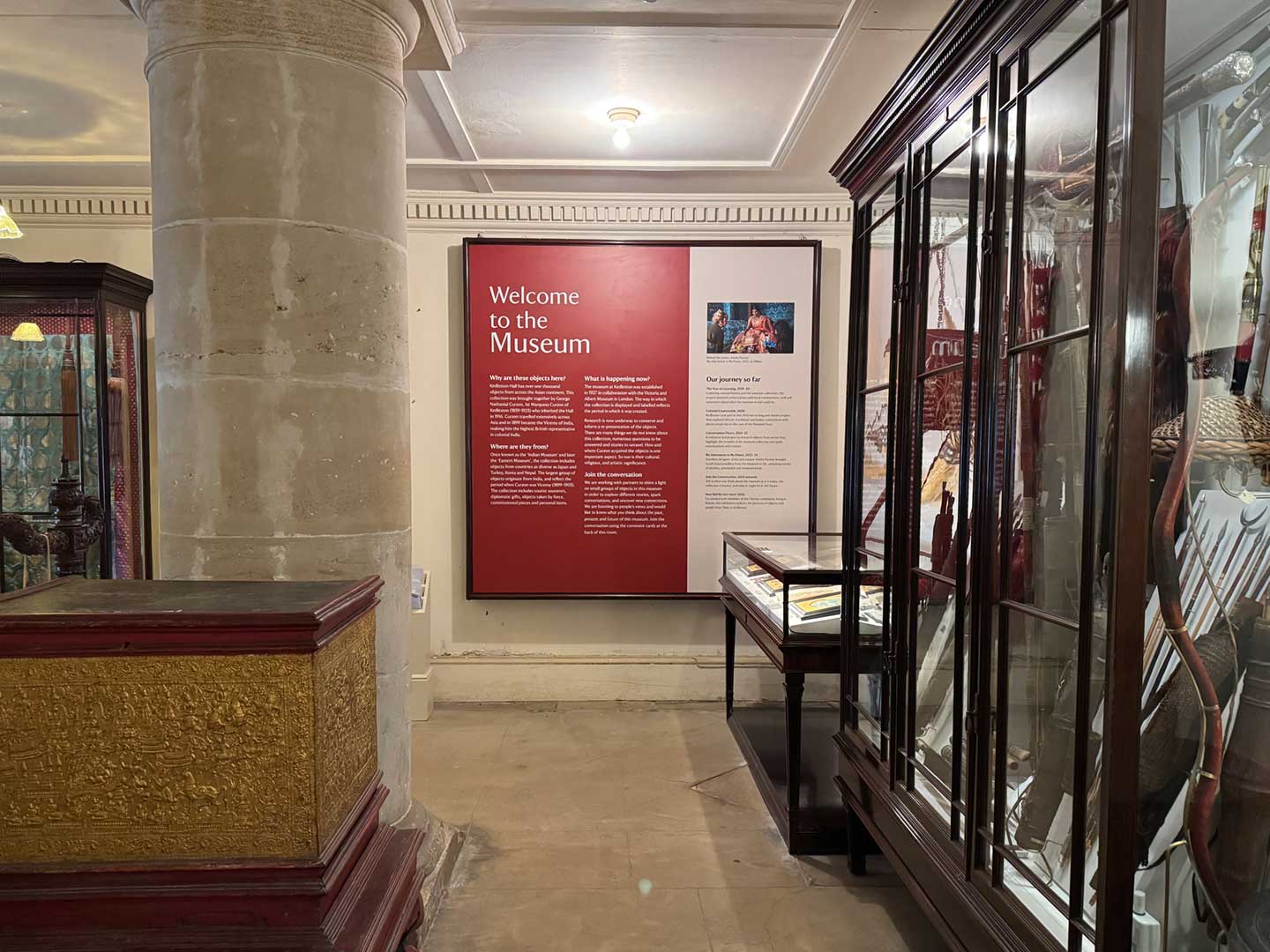
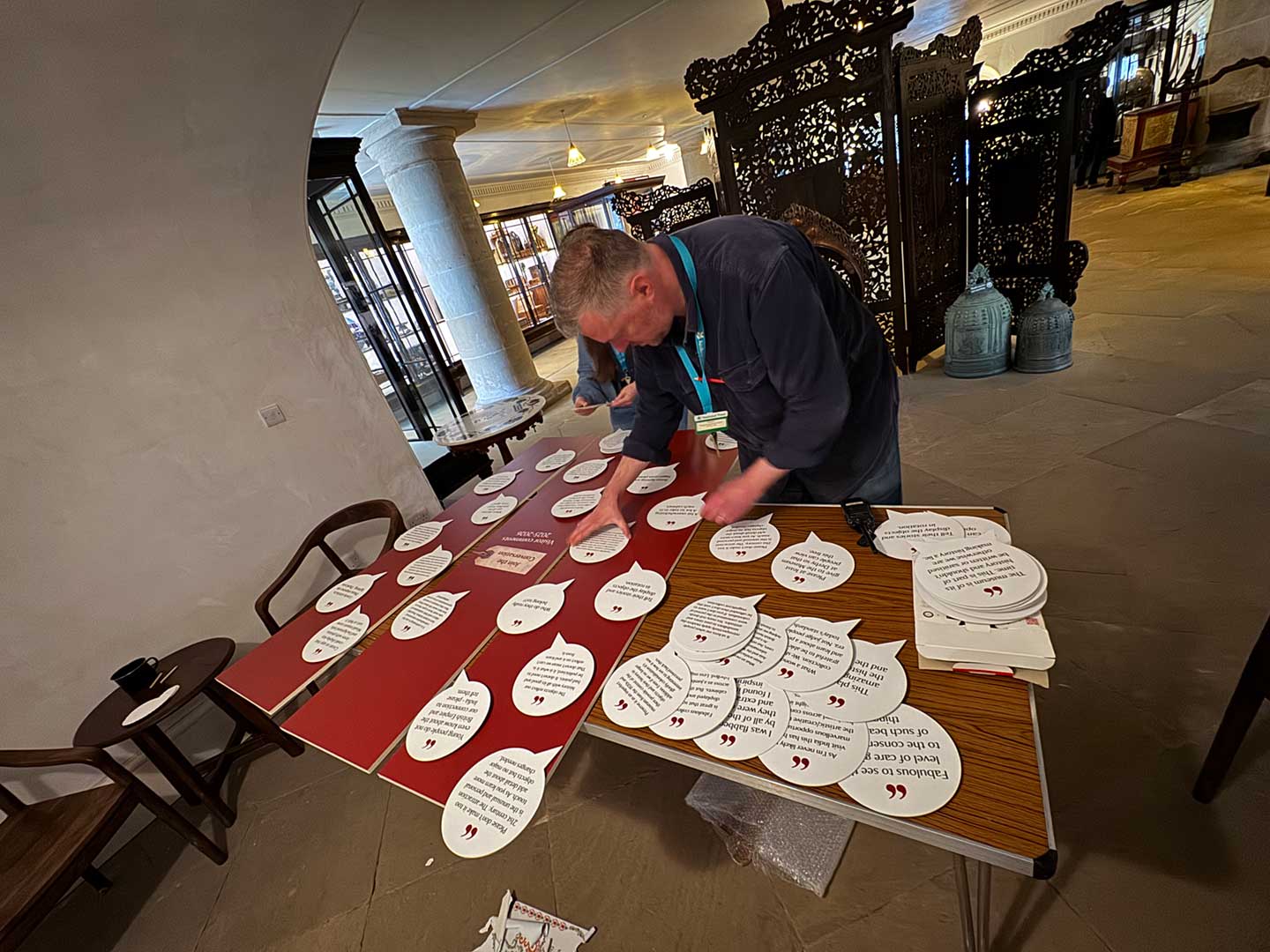
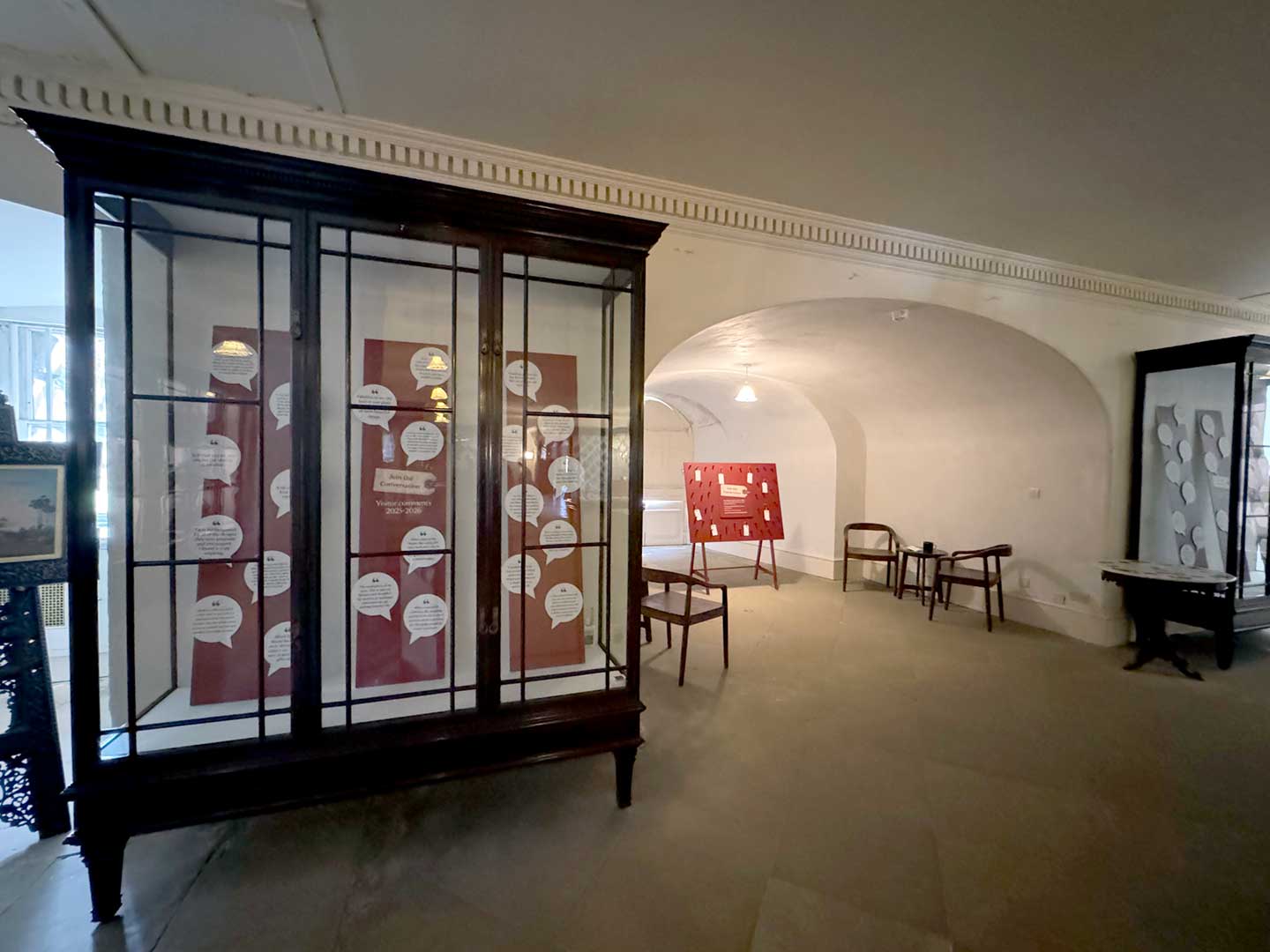
As part of the project, we refreshed the main museum introductory panel and designed and printed new museum guides. Alongside this, we created new panels for the site campaign to engage visitors about the future of the museum and collection. Join the conversation encourages visitors to feedback about the collection, how it is displayed and how it is interpreted to help shape the future of the museum. We used two empty cases to display visitor feedback, printed as quotes attached to boards and provided luggage tags for new feedback. The quotes were attached using velcro so that they can be changed and updated as the project progresses.
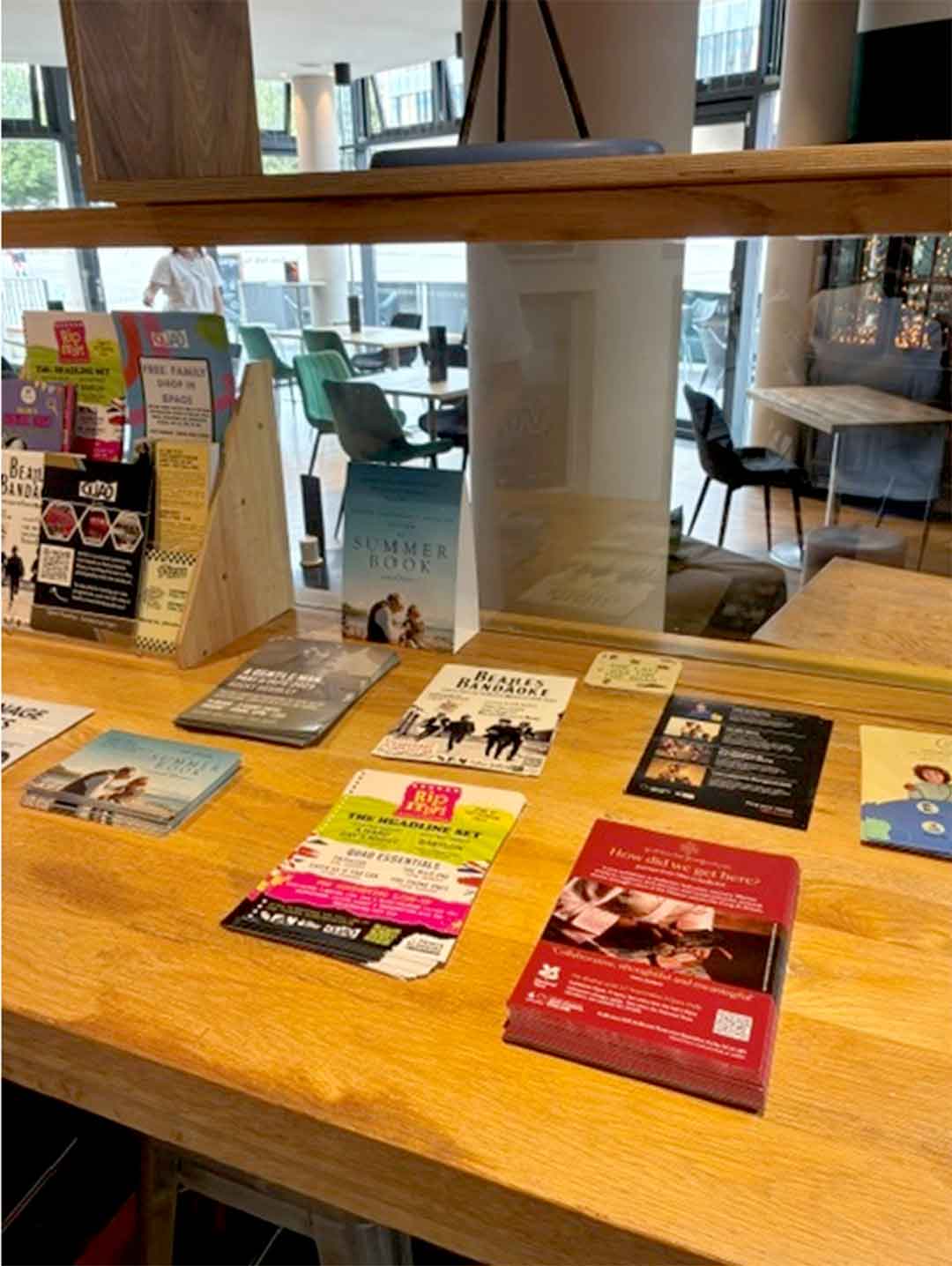
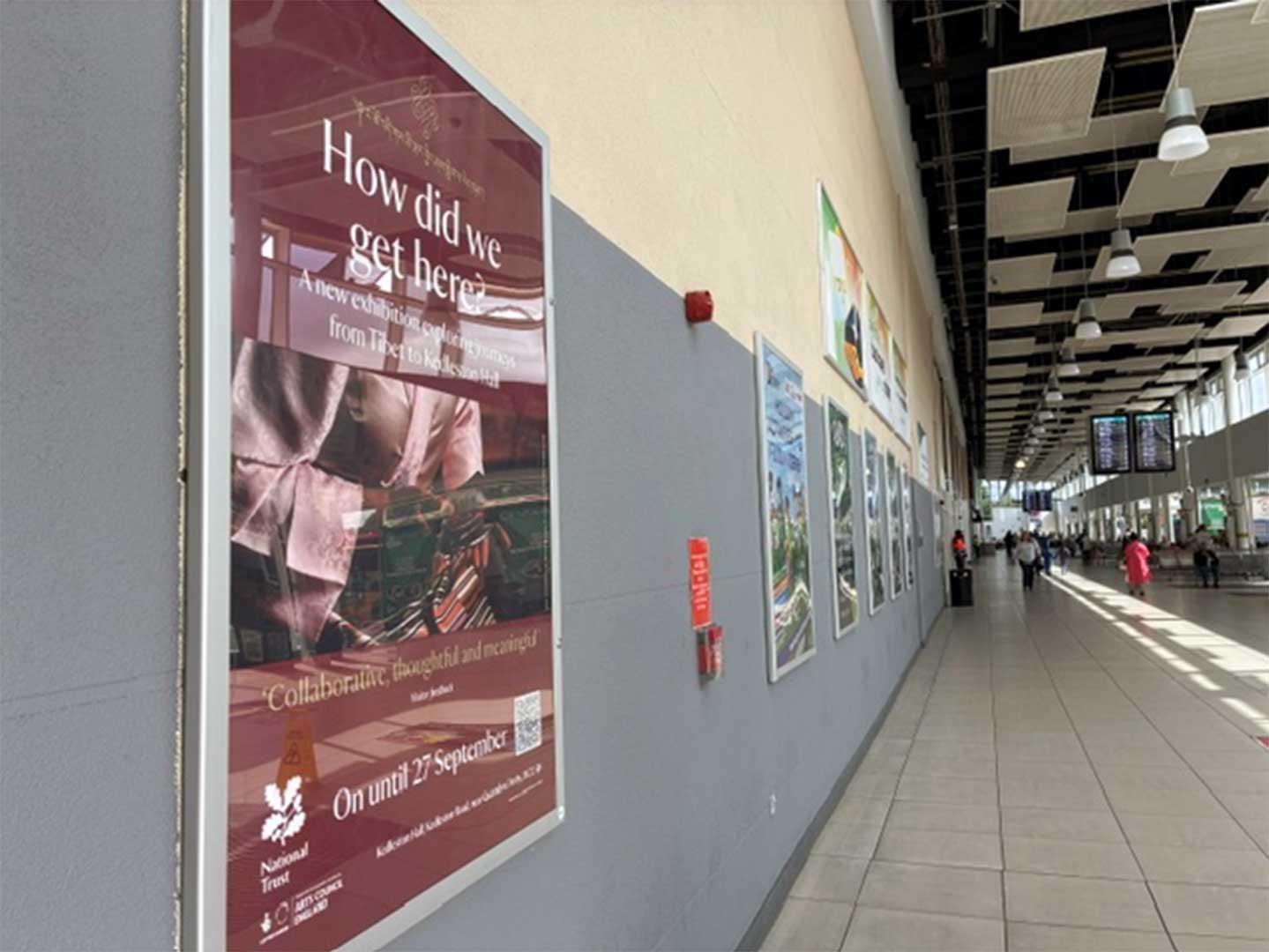
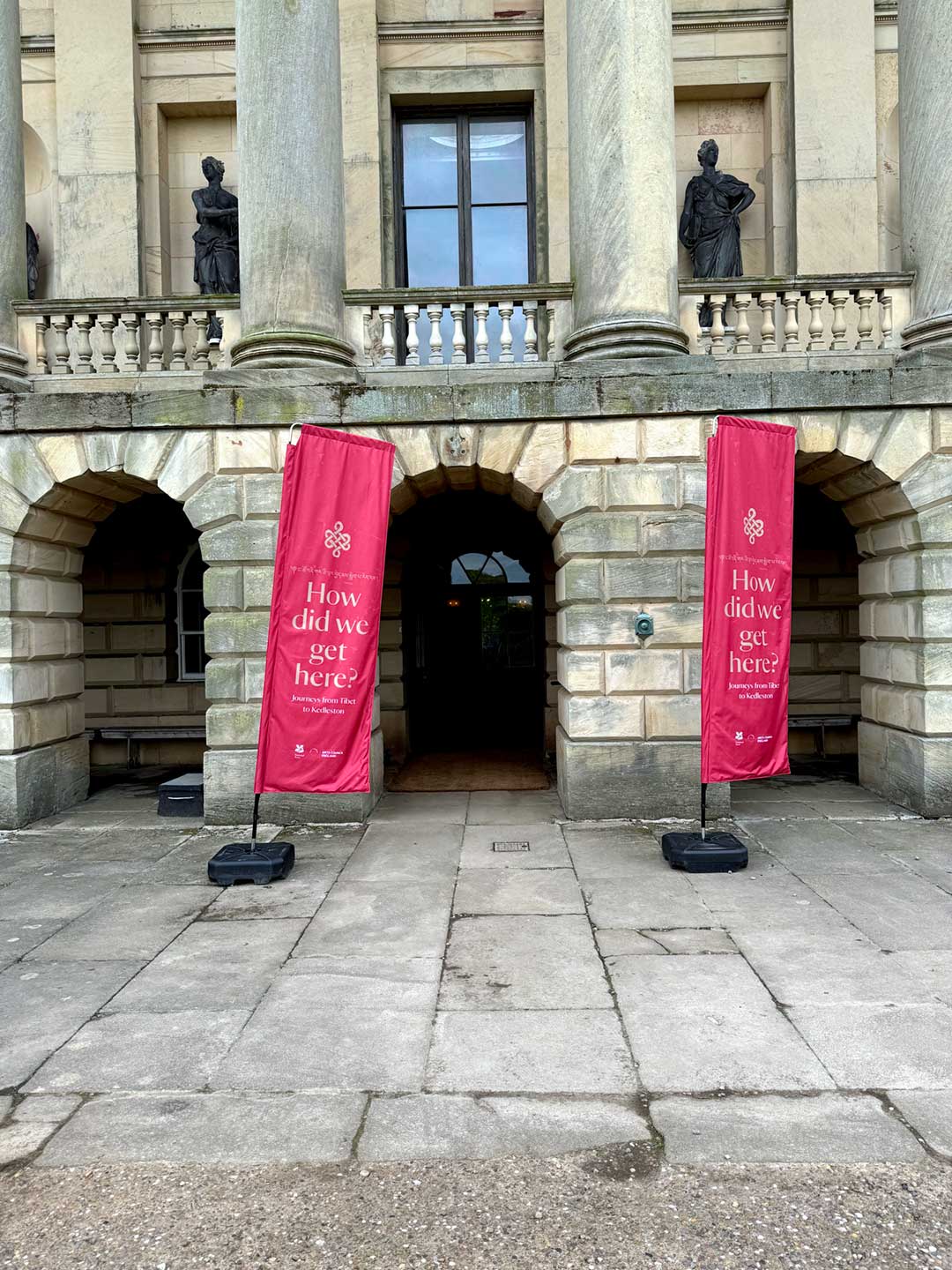
To help promote the exhibition, the marketing team engaged us to produce a leaflet that would be door dropped around the local area and backed up public advertising on bus stops and on large roadside billboards.